The Bullet Journal for Mental Health: A Gentle Guide for Your Healing Journey
Why the Bullet Journal Can Support Your Well-Being
In the busyness of life, it’s easy to feel scattered—pulled in many directions and unsure where to start. The Bullet Journal system, developed by Ryder Carroll, combines planning, reflection, and intentional decision-making within a flexible organizational method (Carroll, 2018); it’s a simple, flexible way to help you slow down, notice what matters, and track the rhythms of your emotional life.
Unlike an ordinary planner, a Bullet Journal (often called a BuJo) helps you bring structure to your days while staying connected to your mental and emotional well-being. It becomes a space where thoughts, goals, and feelings can live together safely—on paper, and in your own time.
How It Works
At its heart, the Bullet Journal is a pen-and-paper method designed to help you organize your life with clarity and purpose. What makes it unique is its balance between structure and freedom—you create your own system rather than following a rigid template.
If you’re new to the method, consider starting with the official Bullet Journal book or the Foundations Course offered at bulletjournal.com/?ref=somatma. Use coupon code SOMATMA for a 10% discount. These resources explain the philosophy behind the system and guide you through its practical elements step by step.
Disclosure: Somatma may receive a commission or referral benefit when you purchase through the links provided in this article. This does not affect the price you pay.
You’ll also find countless YouTube videos where Bullet Journal users share their creative approaches. These can be inspiring, but remember: your journal should reflect you, not someone else’s design. The true essence of the Bullet Journal is adaptability—creating something that supports your goals, your healing, and your way of thinking.
How to Use It for Your Mental Health
The Bullet Journal can become part of your mental-health toolkit. It’s not about perfection or artistry—it’s about awareness and self-compassion. Here are a few ways you can tailor it to your healing process:
Externalize your thoughts.
When you feel overwhelmed or anxious, writing your thoughts down can help you organize your experiences and gain perspective. For some people, this practice may reduce repetitive thinking and create space for reflection.Track your moods and triggers.
Create a monthly mood tracker—a grid or color chart where each day reflects how you felt. Over time, you may begin to notice patterns or possible connections between your mood and experiences such as sleep, relationships, or daily activities.Set intentions, not just goals.
Instead of long to-do lists, try weekly intentions—gentle reminders of what you want to feel or nurture (“Be patient with myself,” “Notice when I need rest”).Reflect regularly.
Once a week, spend a few minutes reviewing your journal. Ask:What gave me energy this week?
What drained me?
What helped me feel grounded?
These reflections connect the dots between your daily actions and your overall well-being.
Celebrate small progress.
Even one check mark—one task completed, one kind thought noted—is progress. The Bullet Journal is a reminder that growth is not linear; it’s a collection of small, meaningful steps.Use it in your therapy or coaching sessions.
You can bring your journal to sessions to discuss patterns, insights, or areas you’d like to work on. It helps make the invisible visible and supports collaborative healing.
For additional guidance, consider discussing with your therapist how Bullet Journaling might support your treatment goals.
Adapting It to Your Needs
Your Bullet Journal doesn’t need to look like anyone else’s. It’s completely yours.
If you struggle with perfectionism, start small—use one notebook section or even a few sticky notes until it feels natural.
If writing feels heavy, use simple symbols, doodles, or color coding instead of words.
If you live with ADHD or anxiety, short bullet points and simple visual organization may make tasks feel more manageable. Experiment with different approaches to discover what works best for you.
If you're recovering from trauma, journaling may provide a way to notice grounding strategies, moments of safety, or meaningful connections. However, reflective writing can sometimes bring up difficult emotions, so approach the practice at your own pace and consider discussing it with your therapist.
Remember: missed days are not failures. They’re data. They simply show where life got full, and that’s okay.
Getting Started
To begin, all you need is a notebook and a pen. You can use any notebook, or choose an official Bullet Journal from bulletjournal.com/?ref=somatma and use the code SOMATMA at checkout for a 10% discount.
Start where you are. Write one line. Note one feeling. Track one small goal. Over time, you’ll find that your Bullet Journal becomes more than a planner—it becomes a companion in your healing and growth.
A Final Word
The Bullet Journal system invites you to meet yourself where you are. Each page is a fresh start. Whether you’re managing anxiety, building new habits, or learning to slow down, this practice gives you a place to pause, reflect, and reconnect with what matters most.
Start small. Be kind to yourself. And let your journal grow with you.
References
Carroll, R. (2018). The bullet journal method: Track the past, order the present, design the future. Portfolio.
Resources
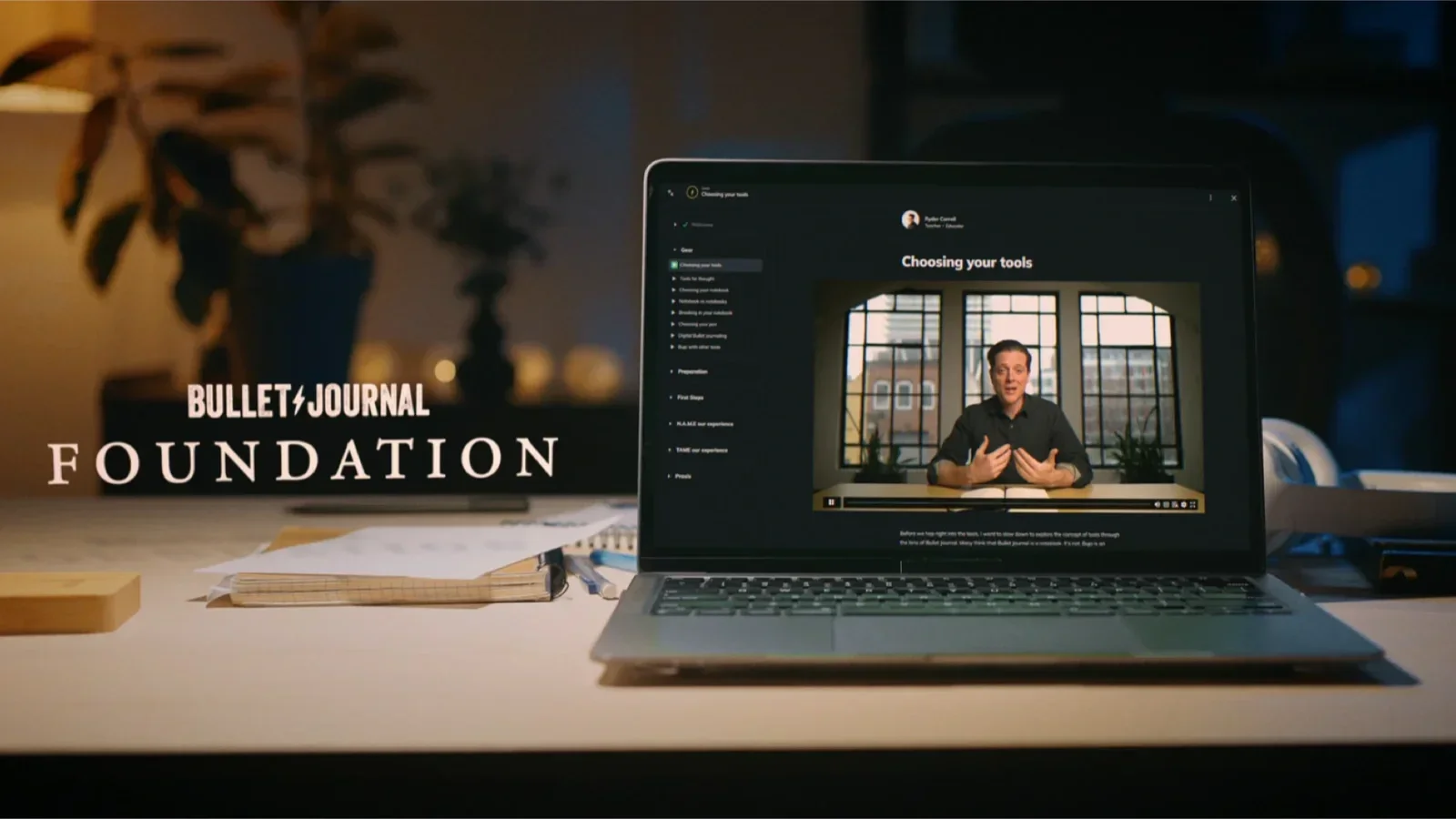
Learn more about the Bullet Journal Foundation course. Use the coupon code “SOMATMA” at checkout for a 10% discount.
Learn more about the Bullet Journal practice. Use the coupon code “SOMATMA” at checkout for a 10% discount.
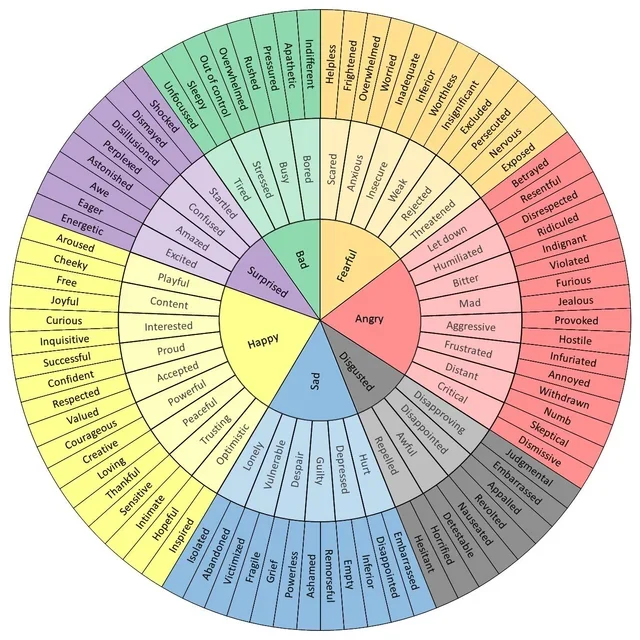
Learn more about the feelings wheel.

Download the Feelings Chart by Category and Intensity.
†Affiliate Disclaimer: The link bulletjournal.com/?ref=somatma is an affiliate link. A small percentage of purchases made through it supports the author’s work. You are always welcome to bypass the link and purchase directly from the source if you prefer.